
Frequently Asked Questions
-
Yes you can, please get in touch to say why you are not happy. if the piece arrives broken please email with photographs and I will refund or offer a replacement. Otherwise I am happy to refund, but only when the piece has been returned with no damage. And sorry but you will have to pay for the postage and if the piece arrives broken due to poor packaging I will not refund.
-
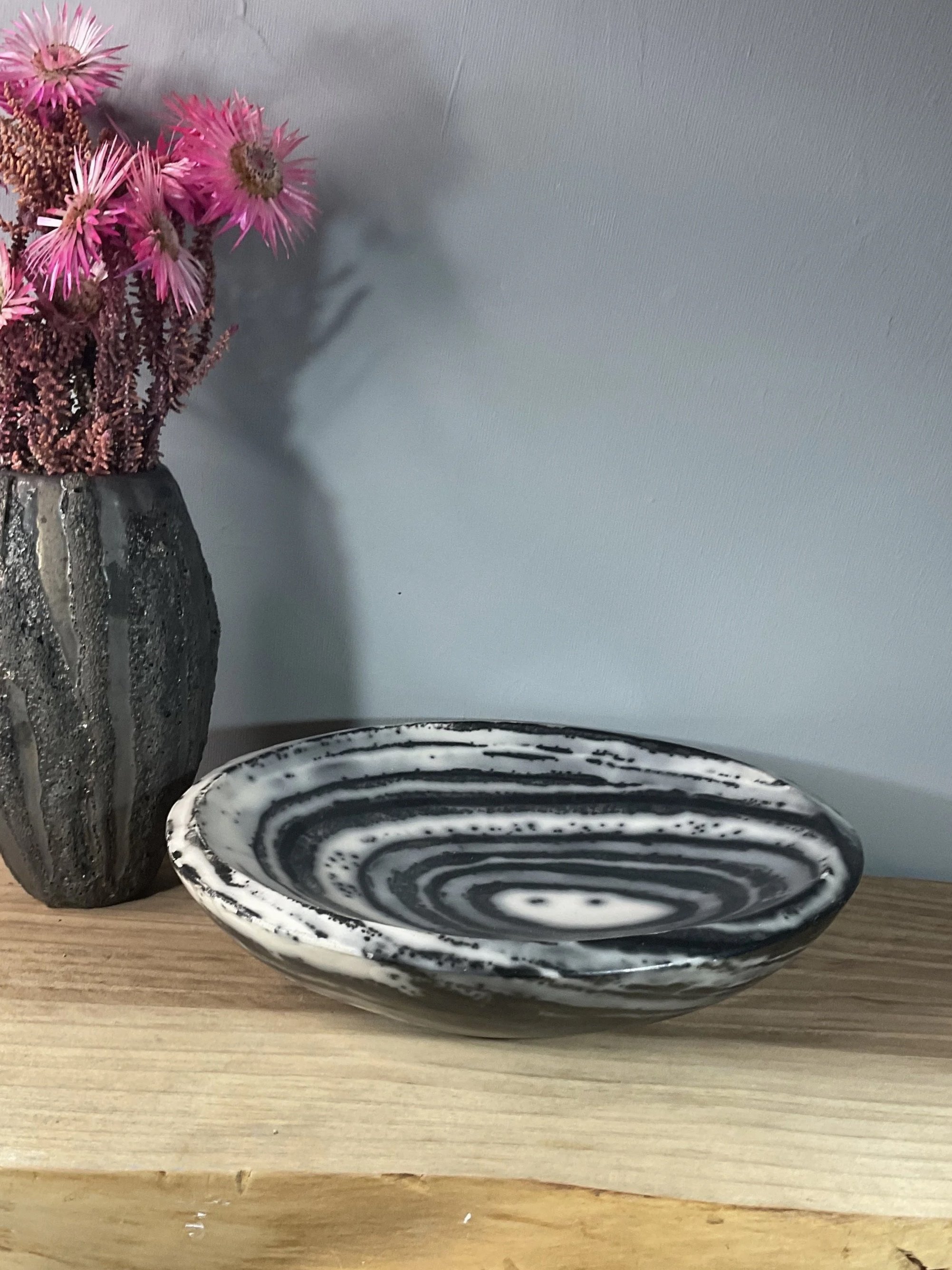
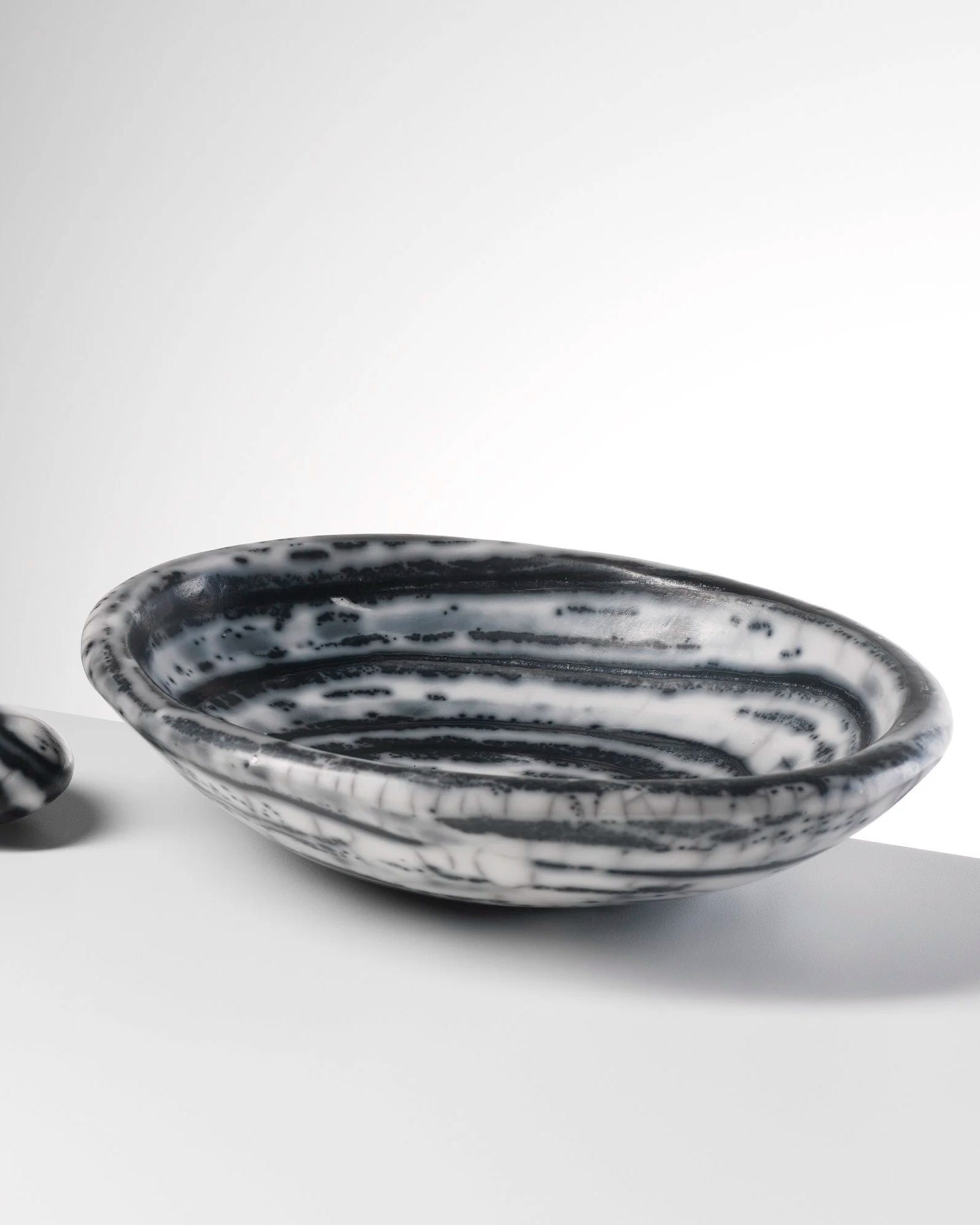
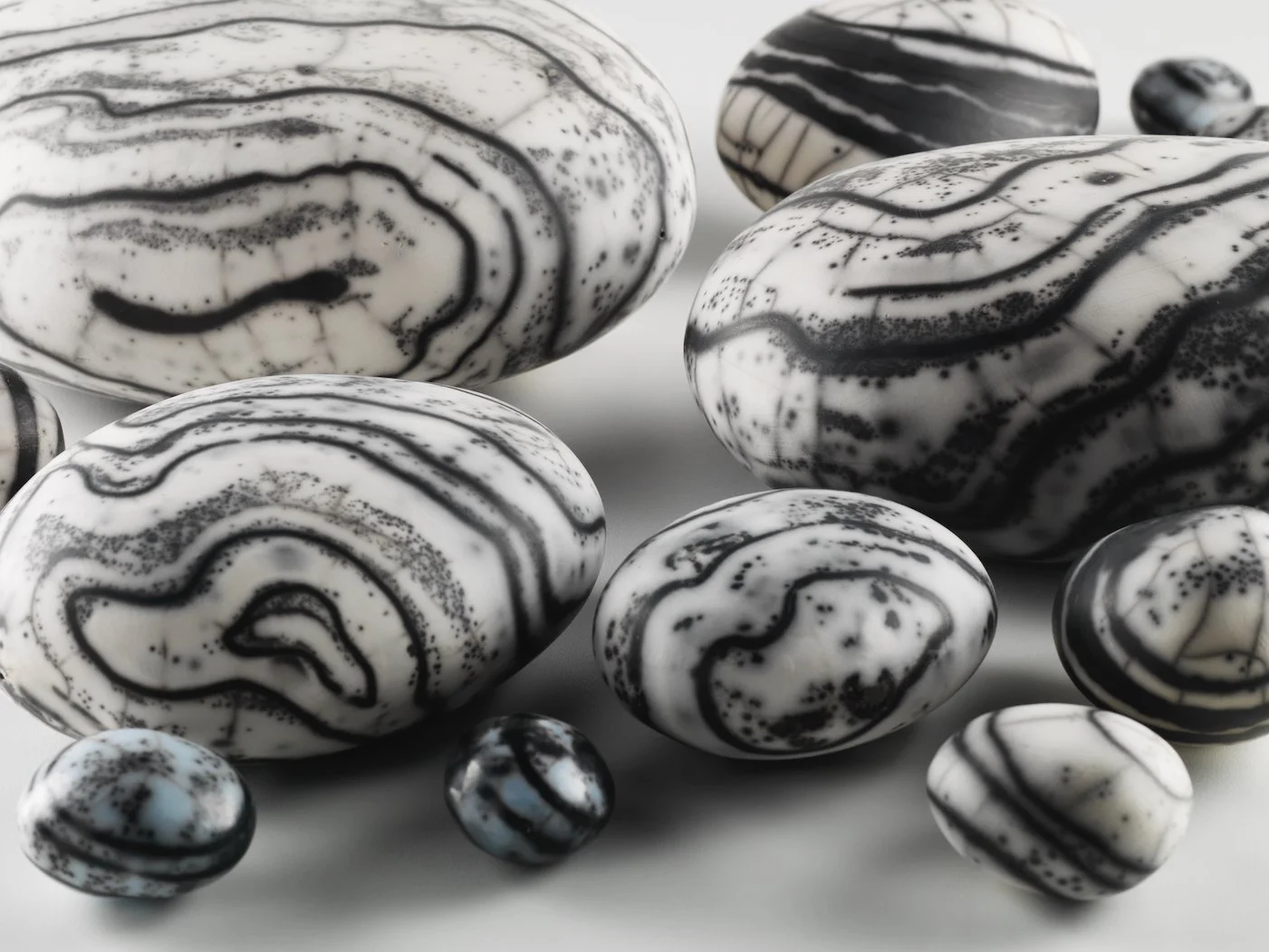
please treat your naked raku with the same kind of care you would afford a piece of art. Raku is low fire so it is porous : it won’t hold water, and you definitely don’t want to put it in a dishwasher. if it gets wet it will go dark but once it dries it will go back to how it was. please dont’t leave it in direct sunlight for too long. all those amazing patternsw are basically made by smoke, so if you leave it in sunshine for a long time it will eventually bleach out..
-
NO Please do not put water directly into your naked raku vessel…it will eventually just leak through. What you can do is use a strong plastic bag or other plastic container to line the vessel first. The bags from wine boxes are great as are milk containers which have some flexibility and can easily be cut down.
-
You can reach me anytime via the contact page or email. I aim to respond quickly—usually within one business day.
-
I make eveything by hand, sometimes I use oval base moulds to start a piece , then continue with coils. I make these moulds myself making a master shape and then casting plaster from that. Most of my work is oval because I want it to look organic. I do not burnish but I spend a LOT of time smoothing surfaces. Before bisque when the piece is bone dry I apply a layer of Terra Sigillata. Because of the patterning people think it’s going to have a rough surface but in fact everything is really smooth…and this creates this very tactile surface that makes people want to touch.
-
I fire in a small raku kiln outside. in small batches. I watch the glaze melt and when it looks right I pull it out with tongs usually about 850 degrees. Then the pieces go in a metal bin with wood shavings, a lid on the top ensures no air gets in and the dense smoke penetrates the different thicknesses of the layers creating the tones. After the pieces have cooled down everything is rubbed off with cloths and water. When everything is cleaned off it needs to dry out and only then will the patterns be revealed.
-
The method I have perfected of layering thick and thin slip and glazes creates tones of grey as well as the black and white more commonly recognised as “Naked Raku” It is a very labour intense process and there are frequent failures. this may be why no-one else does it. But it is this that makes my work completely original.
Have Questions?
We'll review your message and get back to you within 48 hours.